Save Roadless Forests
The Roadless Rule has protected 58.5 million acres for a quarter century.
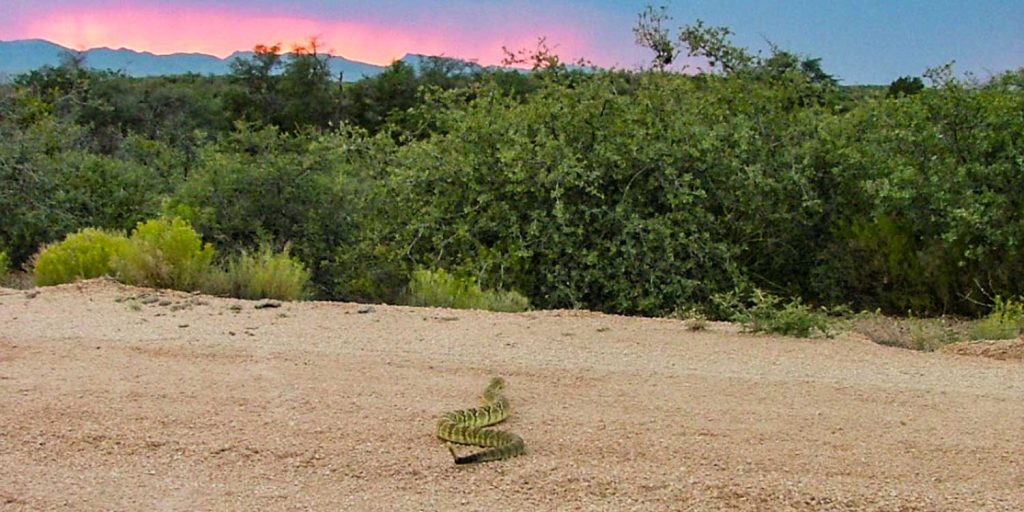
The Roadless Rule, enacted in 2001, sets aside wild areas in our national forests from road-building and industrial logging for wildlife, watershed conservation, and outdoor recreation. In the decades since these forests have enjoyed roadless protections, their trees have matured, safe from the clutches of chainsaws or the crush of bulldozers. Snakes and other wild animals can move freely; no risk of automobile collisions here.
The Forest Service filed its Draft Environmental Impact Statement on August 18, 2026, and its Chosen Alternative is to rescind the Roadless Rule in its entirety. We can’t let that happen.
Defend the Roadless Rule
On August 18, 2026 the Forest Service filed its Draft Environmental Impact Statement, and its Chosen Alternative is to rescind the Roadless Rule in its entirety. We have until Tuesday, October 6 to respond. The agency is legally required to address every substantive concern raised in the record.
You can submit a comment directly until this period closes at 11:59 PM EDT Tuesday, October 6, 2026.
That is the immediate fight. The long game runs through Congress: the Roadless Area Conservation Act (H.R. 3930 and S. 2042) would write the rule into federal law, beyond any single administration’s reach to repeal it. Let’s beat the rescission on the record and make the protection permanent in Congress.
Write a Letter
Write a letter to the editor of your local paper to raise awareness about the Roadless Rule in your community and get your views in front of decision makers.
Tips
Start with one of our samples below, but personalize it! Find a local angle, make it personal, avoid personal attacks (criticize specific policies or ideas), and stick to their word limit. Don’t make it easy to be ignored.
Sample LTE (under 200 words)
As the United States’ tens of millions of hikers, campers, and other outdoors enthusiasts know, there’s nothing like getting away from it all in a pristine, remote location. Some of the best places to unplug and recharge our internal batteries include the 58 million acres of undeveloped backcountry protected by the 2001 Roadless Rule. But the Agriculture Department, which oversees these beloved U.S. Forest Service lands, now intends to rescind this crucial rule.
Eliminating the Roadless Rule would not only destroy recreation areas — it would also imperil wildlife, threaten drinking water sources, and cost taxpayers money. Also, contrary to the Agriculture Department’s rationale, rescinding the rule would increase the risk of wildfires. New research published in the journal Fire Ecology shows that from 1992-2024, wildfires were four times as likely to start in areas with roads than in roadless forest tracts.
Dozens of U.S. representatives and senators have signed onto the Roadless Area Conservation Act of 2025. This bill would codify the Roadless Rule so that in the future, only an act of Congress could roll it back. Tell your elected officials to support this legislation to keep America’s great outdoors wild.
Sample LTE (under 150 words)
As the United States’ tens of millions of hikers, campers, and other outdoors enthusiasts know, there’s nothing like getting away from it all in a pristine, remote location. Some of the best places to unplug and recharge our internal batteries include the 58 million acres of U.S. Forest Service lands protected by the 2001 Roadless Rule. Now, the Agriculture Department intends to rescind this crucial rule.
Eliminating the Roadless Rule would destroy recreation areas, imperil wildlife, threaten drinking water sources, and cost taxpayers money. Also, contrary to the Agriculture Department’s rationale, research shows that rescinding the rule would increase the risk of wildfires.
Dozens of U.S. representatives and senators have signed onto The Roadless Area Conservation Act of 2025 to ensure that only an act of Congress can eliminate the rule. Tell your elected officials to support this legislation to keep America’s great outdoors great.
🔎 Find your local paper’s Letters to the Editor page
This opens a Google search in a new tab. Look for a link to “Letters to the Editor,” “Submit an Opinion,” or “Contact Us” on your paper’s site. Most list a word limit (usually 150–300) and a submission email or form.
Support RACA
Reach out to your Representative and Senators. Ask them to support the Roadless Area Conservation Act (H.R.3930 and S.2042) to make the Roadless Rule permanent. Use these buttons to find your:
Call the main Capitol Switchboard at (202) 224-3121 and ask to be transferred to the appropriate office. If no one answers, you can leave a voicemail.
What’s at Stake
The proposed rollback of the 2001 Roadless Rule jeopardizes 58.5 million acres of undeveloped backcountry forestland managed by the U.S. Forest Service, about a third of our national forest system. These forests have only remained intact because of the Forest Service’s 25-year-old commitment not to build roads in these areas for harmful activities like major logging operations or oil-and-gas drilling.
Roads are Devastating for Snakes
Roads disrupt movement, migration, and act as barriers to gene flow. Road mortality is one of the greatest threats to snakes in the US, killing millions every year.

More Roads Means More Wildfires
More roads will result in more fire ignitions. According to the U.S. Forest Service 9 out of 10 wildfires are caused by people. New peer-reviewed research found that fires are four times more likely to start near a road than in roadless forests. Opening intact backcountry forests to new roads is not a wildfire solution. It increases the likelihood of human-caused ignitions and stretches already limited firefighting capacity even further.
Vital Habitat for Imperiled Species
The lands in question include lower-elevation forests, wetlands, canyons and other undeveloped lands that are critical to our nation’s ecological health. Because they are not fragmented by roads, these Roadless Areas provide habitat for many imperiled species such as California Condors, New Mexican Ridge-nosed Rattlesnake, and Wolves.
Rollback Paves the Way for Logging
The real reason a rollback of the Roadless Rule is being proposed is to re-open these forests to logging and other industrial development. This proposal follows on the heels of other administrative actions that have called for a dramatic increase in logging and oil and gas drilling on federal lands. An increase in these industrial activities would worsen climate change, destroy recreation areas, put the lands at greater risk of wildfire, destroy wildlife habitat, and threaten drinking water sources. Logging most often targets bigger, older trees, which are natural carbon sinks that store carbon dioxide and provide shade for cooler temperatures — yet all of these benefits are lost if trees are removed. Further, logging and logging roads can have devastating impacts to drinking water quality and fish habitat. The cost will fall to communities, who will face threats to their supply of clean water and will need to clean up polluted water before sending it to households and local economies.
Vital for America’s Drinking Water
The US National Forests are the headwaters of our great rivers and the largest source of municipal water supply in the nation, serving over 60 million people in 3,400 communities in 33 states. Roads are a major cause of water pollution. Because it protects these headwaters, the 2001 Roadless Rule is vital for maintaining clean drinking water for communities across the country. Major U.S. cities including Los Angeles, Portland, Denver, and Atlanta receive a significant portion of their water supply from national forests.
Millions Support the Roadless Rule
The Roadless Rule is a highly popular policy that is often celebrated as one of America’s most successful conservation measures. Its 2001 enactment drew more than 1.6 million public comments (still the most for any federal rule in U.S. history). In 2025, the public responded to the proposed rescission with ~600,000 comments, more than 99.8% supported keeping the Roadless Rule in place. A Pew survey (February 2026) measured 76% voter support (bipartisan, across every region of the country) for keeping the rule.